| Song Name | Description | Sheet Music | MP3 |
|---|---|---|---|
1 NO MATTER WHAT |
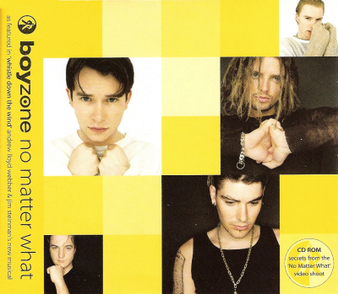
“No Matter What” is a song from the 1996 musical Whistle Down the Wind that was popularised by Irish boyband Boyzone in 1998 when they recorded it to tie in with the show’s first UK production.
The song was written by Andrew Lloyd Webber and Jim Steinman, who also produced the song with Nigel Wright. The song became Boyzone’s fourth Number1 on the UK Singles Chart, with its three-week stay atop the chart making it Boyzone’s longest-running number-one single as well as being their best-selling UK single, selling 1.4 million copies there as of February 2025. It was also the first ever winner of the annual The Record of the Year award held on ITV in December 1998, and also became the band’s first and only song to have any chart success in the US. In New Zealand, the song spent six non-consecutive weeks at number one and ended 1998 as the country’s most successful single. |
MP3:
|
|
2 WHY DO FOOLS FALL IN LOVE |
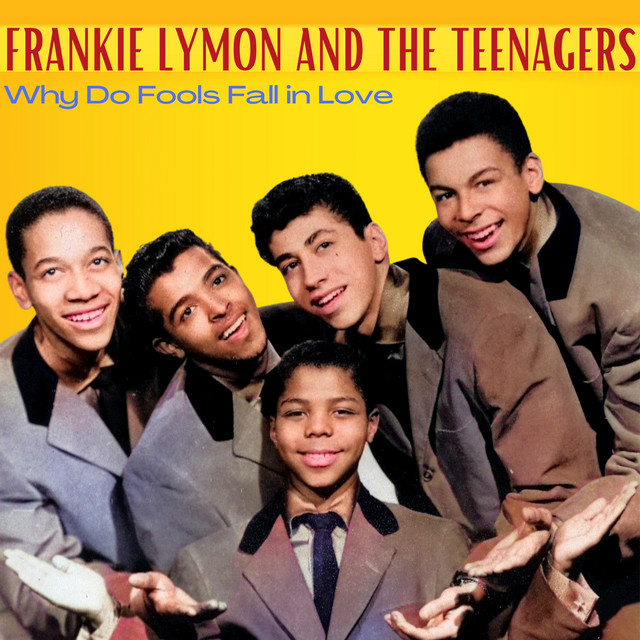
“Why Do Fools Fall in Love” (initially “Why Do Birds Sing So Gay?”) was a debut single by American rock and roll band Frankie Lymon & the Teenagers that was released on January 10, 1956. It reached No. 1 on the R&B chart,[2] No. 6 on Billboard’s Pop Singles chart,[3] and No. 1 on the UK Singles Chart in July.[4][5] Many renditions of the song by other artists have also been hit records in the U.S., including versions by the Diamonds (in 1956), the Beach Boys (in 1964 the song was used as a B-side for the Beach Boys single “Fun, Fun, Fun”, which reached No 5 on the Billboard Hot 100), and Diana Ross (in 1981). In late 1955, The Teenagers (at that time calling themselves The Premiers) auditioned a song called “Why do Birds Sing So Gay?” for George Goldner, recording producer and owner of Gee Records. Herman Santiago, tenor of the group, had written the song based on a line from some love letters given to the guys by a tenant in bassist Sherman Garnes’ apartment building. One of them featured the words “Why do birds sing so gay?,” which fit in with lyrics of other songs that Herman had been writing based on a 1-6-2-5 chord pattern. Herman adjusted the harmony to take advantage of Frankie Lymon’s high tenor/soprano. At Goldner’s suggestion, some of the lyrics were changed. During the audition, Lymon’s voice stood out and Goldner recommended the lead in subsequent recording sessions be given to Lymon. The singer did some improvising and recreated the melody to match his own style. Although early vinyl single releases of “Why Do Fools Fall in Love” credit Frankie Lymon, Herman Santiago, and George Goldner as co-writers of the song, later releases and cover versions were attributed only to Lymon and record producer George Goldner. Goldner’s name was later replaced by Morris Levy when Levy bought Goldner’s interest in Gee Records, the Teenagers’ record company. After a lengthy court battle, songwriting credits were awarded to original Teenagers members Herman Santiago and Jimmy Merchant in December 1992. |
MP3:
|
|
3 SPREAD A LITTLE HAPPINESS |
“Spread a Little Happiness” is a song by the musical comedy composer Vivian Ellis and writer Clifford Grey from their 1929 West End musical Mr. Cinders. In the original production it was sung by Binnie Hale as the character Jill Kemp – a recording of her performance of the song was released by Columbia in 1929. In 1982, the song was sung in a revival of Mr Cinders at the King’s Head Theatre, London and later at the Fortune Theatre after the show was transferred there. In this revised version the song was sung by Jim Lancaster, the male lead, rather than by Jill. The song was used as the theme tune for a 2009 BBC Radio 4 comedy series of the same title, written by John Godber and Jane Thornton, set in a Yorkshire sandwich bar.[5] In 1982, English musician Sting covered the song for the soundtrack of the film Brimstone and Treacle, reaching Number 16 in the UK. |
MP3:
|
|
4 LEAVING ON A JET PLANE |
“Leaving on a Jet Plane” is a song written and recorded by American singer John Denver in 1966, originally included on his debut demo recording John Denver Sings. Its original title was “Babe I Hate to Go”. He made several copies and gave them out as presents for Christmas of that year. Denver’s then-producer Milt Okun convinced him to change the title; it was renamed “Leaving on a Jet Plane” in 1967. The most well-known version was recorded by American folk group Peter, Paul and Mary, for their 1967 studio album, Album 1700, and Warner Bros.- Seven Arts released it as a single in 1969 after being one of four songs on a promo EP in 1967. John Denver was a close friend of theirs and they shared the same producer in that time, Milt Okun. It was Peter, Paul and Mary’s biggest (and final) hit, becoming their only No. 1 on the Billboard Hot 100 in the United States. It was the penultimate Number 1 single of the 1960s, and the song also spent three weeks atop the easy listening chart and was used in commercials for United Airlines in the late 1960s and early 1970s. The song also topped the charts in Canada, and reached No. 2 in both the UK and Ireland in February 1970. In fact, it was the only version of the song that charted. That same year, Denver recorded the song again for his debut studio album, Rhymes & Reasons, and it was released as a single in October 1969 through RCA Records. Although it is one of John Denver’s best-known songs, his single failed to chart. In the 1980s, the song prompted litigation involving the British group New Order. The band’s single “Run 2” (1989) was the subject of a lawsuit brought by Denver, who argued that its wordless guitar break was based on his “Leaving on a Jet Plane”. The case was settled out of court, and Denver subsequently received a co-writer credit for the song. |
MP3:
|
|
5 EVERLY MEDLEY |
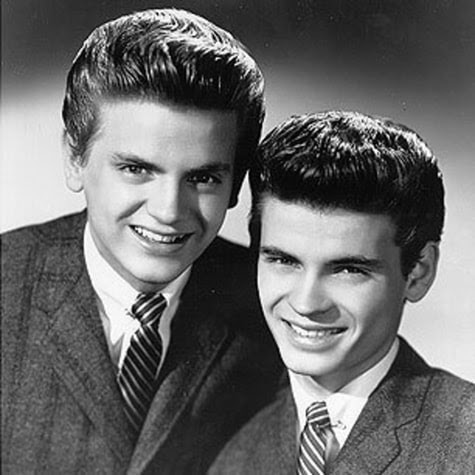
The Everly Brothers were an American musical duo, known for steel-string acoustic guitar playing and close-harmony singing. Consisting of Isaac Donald “Don” Everly and Phillip “Phil” Everly, the duo combined elements of rock and roll, country, and pop, becoming pioneers of country rock.
Major hits included: All I have to do is dream – When will I be Loved? – Let it be me – and Bye Bye Love. Additional hits, including Wake Up Little Susie, Bird Dog, Till I Kissed You, Walk Right Back, To Watch Good Love go Bad, Problems, Cathy’s Clown, and their final top-10 hit was That’s Old Fashioned (That’s the Way Love Should Be).
The Everly Brothers experienced a decline in popularity in the United States in the 1960s due to changing tastes in popular music, long-simmering disputes with Acuff-Rose Music CEO Wesley Rose, and increased drug use by the brothers. However, the duo continued to release hit singles in the U.K. and Canada and had many successful tours in the 1960s. In the early 1970s, the brothers began releasing solo recordings; they ended their musical partnership in 1973. In 1983, the Everly Brothers reunited. They continued to perform periodically until the death of Phil Everly in 2014.
The brothers were inducted into the Rock and Roll Hall of Fame as part of the inaugural class of 1986 and into the Country Music Hall of Fame in 2001. Don Everly was inducted into the Musicians Hall of Fame and Museum in 2019, earning the organization’s first Iconic Riff Award for his distinctive rhythm guitar introduction on Wake Up Little Susie. |
||
6 DEED I DO |
‘Deed I Do’ is a 1926 jazz standard composed by Fred Rose with lyrics by Walter Hirsch. It was introduced by vaudeville performer S. L. Stambaugh and popularized by Ben Bernie’s recording. It was recorded by influential clarinetist and bandleader Benny Goodman as his debut recording in December 1926 with Ben Pollack and His Californians. Ruth Etting’s rendition of the song became a top ten hit in 1927 as did the version by Johnny Marvin. Other recorded versions include: |
MP3:
|
|
7 SAILOR |
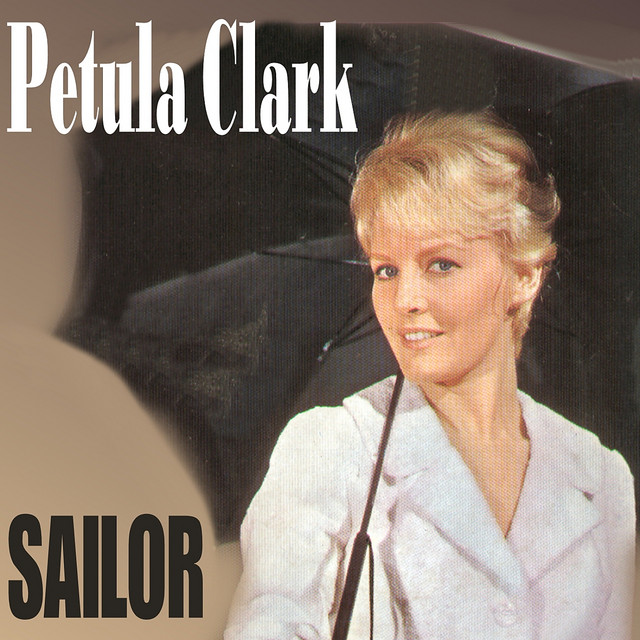
“Sailor” is the title of the English-language rendering of the 1959 schlager composition “Seemann (Deine Heimat ist das Meer)” originally written in German by Werner Scharfenberger and lyricist Fini Busch. “Sailor” would in 1961 afford Petula Clark her first UK number 1 hit, simultaneously granting Top Ten success to Anne Shelton while also bringing her chart career to a close. Clark was also afforded international success with both her recording of “Sailor” and “Marin”, the French-language rendering of the song. The first recording of the English version was made by Anne Shelton, with her session arranged and conducted by Wally Stott, featuring guitarist Big Jim Sullivan, who would also play on the version by Petula Clark. Both went into the UK Top 50 in 1961, then Clark rose to number 4 for the first of six weeks in the Top Five three of them at number 2 and one at number 1, while Shelton’s version in its second week rose to number 19 and in its third week to number 10 which proved to be its peak. Clark’s version had almost double the chart span at fifteen weeks. Besides the versions by Anne Shelton and Petula Clark detailed above, two other acts had UK single releases of “Sailor” in January 1961: veteran American vocal trio the Andrews Sisters and also American stage musical actress Eileen Rodgers, the latter version being entitled “Sailor (Your Home Is In sic The Sea)”. In 1974, actor Peter Gilmore, then renowned for his sea-captain role in the BBC-TV series The Onedin Line, recorded the album James Onedin Songs of the Sea from which his rendition of “Sailor” – entitled “Sailor (Seemann)”. Louise Morrissey also recorded “Sailor” for her 2008 album release The Gift. |
||
8 RUNAWAY |
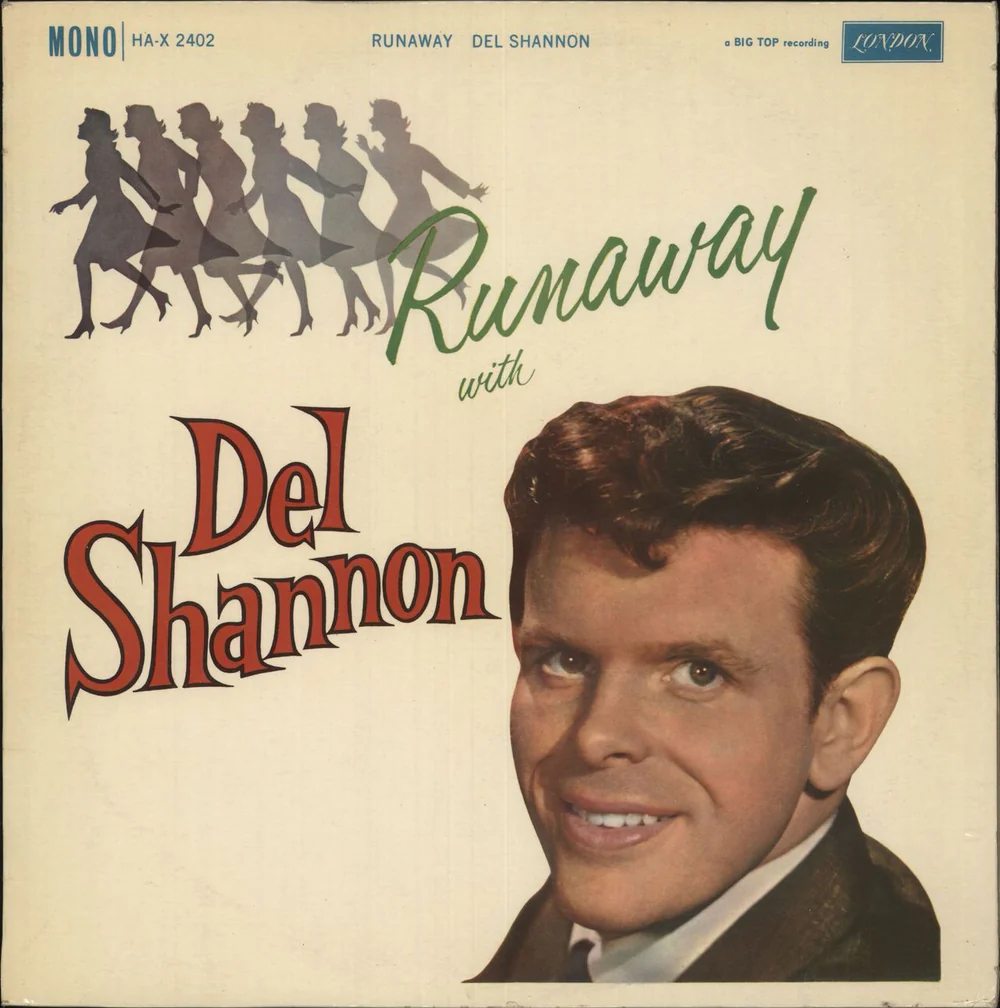
“Runaway” was a 1961 number-one Billboard Hot 100 song by Del Shannon.
It was written by Shannon and keyboardist Max Crook, and became a major international hit. Other versions included: An instrumental version in 1961 by Lawrence Welk and His Orchestra. A version by the Small Faces was released on From the Beginning in June 1967. Elvis Presley covered the song while performing at the International Hotel in Las Vegas in August 1969, appearing on the 1970 album On Stage. Austin Roberts In 1975, Charlie Kulis, a schoolteacher from New York, released a cover version reaching No. 46, while reaching No. 40 on Billboard’s Easy Listening chart. In 1977, Bonnie Raitt included a bluesy version of the song on her album Sweet Forgiveness and a single reached No. 57 on the U.S. Billboard Hot 100. Narvel Felts covered the song in 1978 and took it to No. 30 on the Hot Country Singles charts. In 1986, Luis Cardenas, lead singer of the rock band Renegade, reached No. 83 on the US Billboard Hot 100 with his cover version, which is best remembered for its live action/animated video that features cameo appearances by Del Shannon and Donny Osmond. The Traveling Wilburys recorded a version of the song in 1990, and it was released on a 2007 CD reissue of Traveling Wilburys Vol. 3. American metal band Avenged Sevenfold released a punk rock-style cover of “Runaway” on the deluxe edition of their 2016 album The Stage. American punk rock band Misfits included “Runaway” on an album of cover songs from the 1950s and 1960s called Project 1950.
|
||
9 SUNSHINE ON MY SHOULDERS |
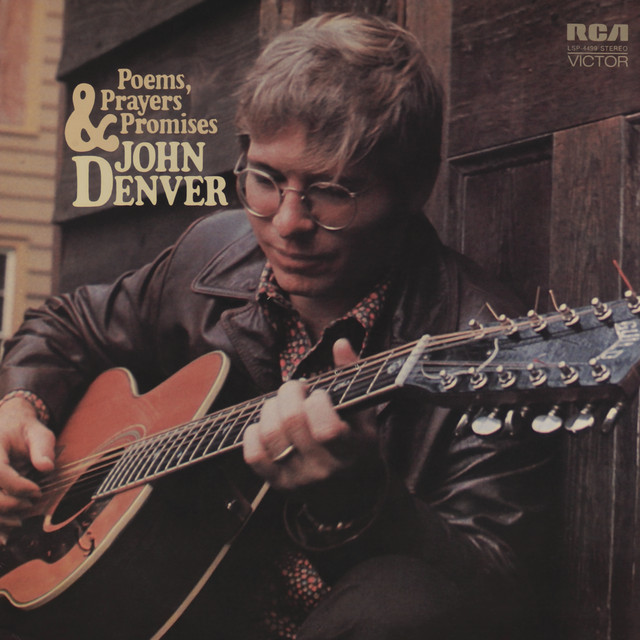
“Sunshine on My Shoulders” was recorded and co-written by American singer-songwriter John Denver and was released as an album track on 1971’s Poems, Prayers & Promises and later, as a single in 1973.
As the Vietnam War came to an end, the song took on a new significance and began to receive airplay on adult contemporary radio stations. It entered the Billboard Hot 100 at number 90 on January 26, 1974, topped the charts for one week. The song also topped the adult contemporary chart for two weeks in 1974. Billboard ranked it as the No. 18 song for 1974. Cash Box said “Soft, tender ballad receives a treatment equal to the task and the pretty lyrics come shining through as a result. A good remedy for relaxation in these troubled times.” Record World said that “Denver scores with this ballad which will send him back home to the top of the charts.”
The song was covered by Canadian singer-songwriter Carly Rae Jepsen as the lead single from her debut studio album, Tug of War, released on June 16, 2008. |
||
10 TRUE LOVE WAYS & 11 RAVE ON |
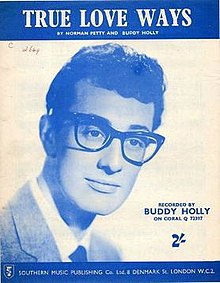
“True Love Ways” is a song written by Buddy Holly and Norman Petty.
Buddy Holly’s original was recorded with the Dick Jacobs Orchestra in New York City in October 1958, four months before the singer’s death. It was first released on the posthumous album The Buddy Holly Story, Vol. 2 in March 1960. The song was first released as a single in Britain in May 1960, reaching number 25 on the UK Singles Chart. It was released the following month in the US but did not make the charts. In 1988, a UK re-release of the recording by MCA, the single reached no. 65 on the UK singles chart in a five-week chart run. In 1965, Peter and Gordon’s version became a hit internationally, reaching number 2 in the UK, number 14 in the US Billboard Hot 100 and the top 10 in numerous other countries. Other notable covers include Mickey Gilley’s 1980 version which reached number 1 on the US Billboard Hot Country Singles chart and Cliff Richard’s version that reached the top 10 in the UK and Ireland in 1983 and was a minor hit internationally Holly’s widow, Maria Elena Holly, claimed that the song was written for her as a wedding gift. On April 29, 2011, she unveiled the never-before-seen “True Love Ways” photo of their wedding kiss, now displayed at P.J. Clarke’s above Table 53, the table where they became engaged while on their first date, on June 20, 1958.
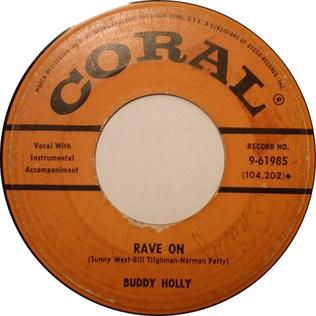
“Rave On” – also written “Rave On!”- is a song written by Sonny West, Bill Tilghman and Norman Petty in 1958.
Buddy Holly recorded the song later the same year, and his version became a hit, one of six of his recordings that charted in 1958.
Cover versions of “Rave On” have been recorded by Bruce Springsteen and the E Street Band, Commander Cody, Status Quo, M. Ward, and the folk-rock band Steeleye Span. Rick Nelson recorded the song and played it live many times. It was the final song Nelson ever performed, on December 30, 1985, the day before he too was killed in a plane crash. Nitty Gritty Dirt Band recorded a cover version for their 1970 album Uncle Charlie & His Dog Teddy. |
MP3:
|
|
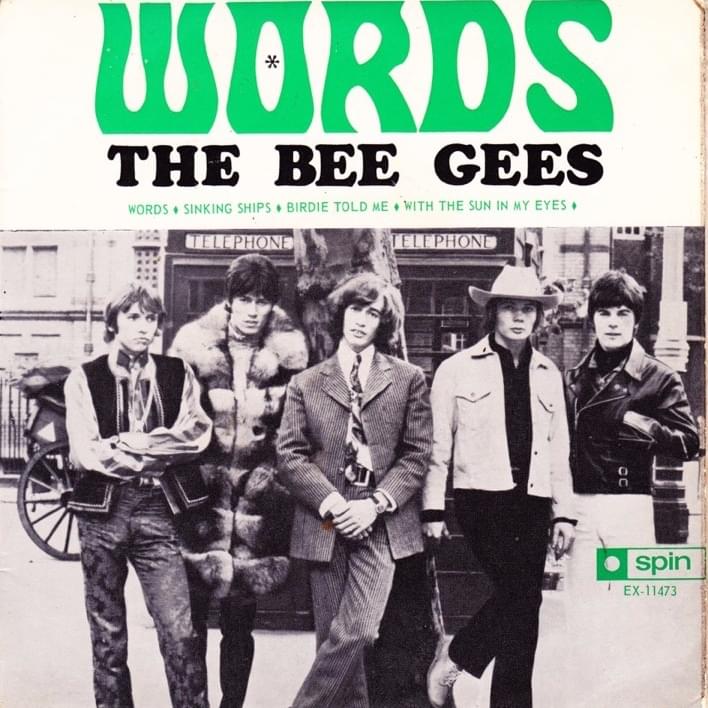
12 WORDS |
“Words” is a song by the Bee Gees, written by Barry, Robin, and Maurice Gibb.
The song was recorded on 3 October 1967 and reached No. 1 in Germany, Canada, Switzerland and the Netherlands. “Words” was the Bee Gees third UK top 10 hit, reaching number 8 on the UK Singles Chart, and in a UK television special on ITV in December 2011 it was voted fourth in “The Nation’s Favourite Bee Gees Song” and debuted at No. 67 in Cashbox in the United States in the week of 20 January 1968. The song has been recorded by many other artists, including hit versions by Rita Coolidge from her album Anytime…Anywhere in 1978 and Boyzone from their album A Different Beat in 1996. It was Boyzone’s fifth single and their first number one hit in the UK. Further covers were by Glen Campbell on the Wichita Lineman album released in 1968, Elvis Presley in 1969, and Lynn Anderson in 1970. |
MP3:
|
|
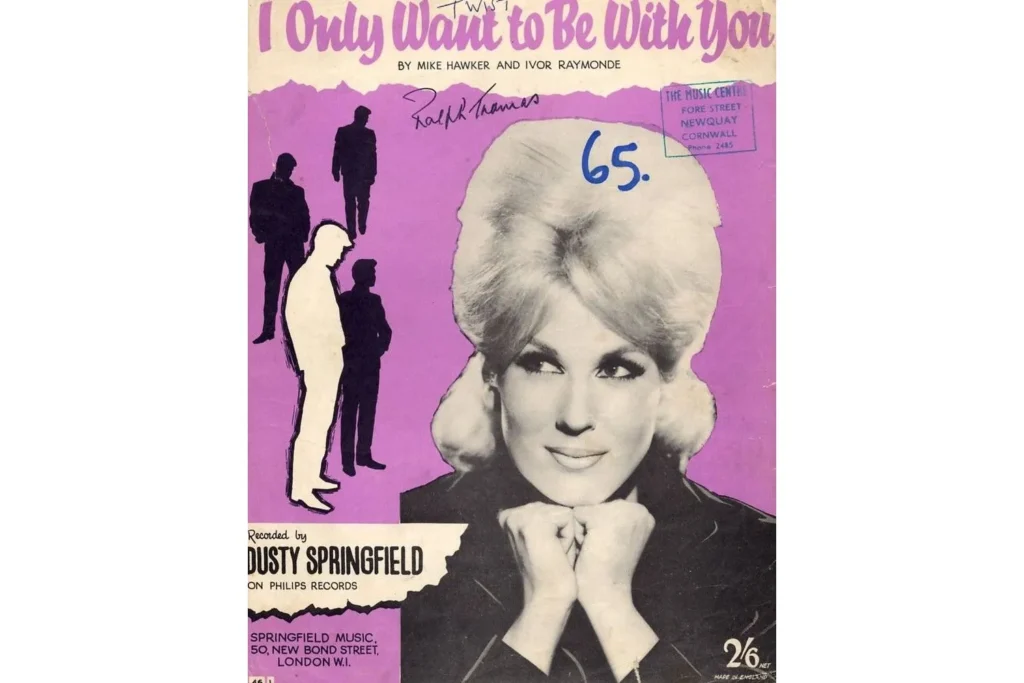
13 I ONLY WANT TO BE WITH YOU |
“I Only Want to Be with You” is a song written by Mike Hawker and Ivor Raymonde.
Released as a debut solo single by British singer Dusty Springfield, “I Only Want to Be with You” peaked at number 4 on the UK singles chart in January 1964 after it was featured on the first-ever edition of the BBC’s Top of the Pops, on 1 January 1964.
Released in November 1963, “I Only Want to Be With You” was a global success, reaching number 4 UK, number 12 US, number 6 Australia, and number 21 Canada. In the US, Dusty Springfield was the second artist of the British Invasion, after the Beatles, to have a hit, entering the Billboard chart at number 77 in the last week of January 1964.
“I Only Want to Be with You” has been recorded by a wide range of artists, and three remakes of the song were UK chart hits. The first two by the Bay City Rollers (1976) and The Tourists (1979) matched the number 4 peak of the Dusty Springfield original, while the 1989 remake by Samantha Fox peaked at number 16.
The song has been a Top 40 hit in the US on the Billboard Hot 100 chart three times, with both the Dusty Springfield original and the Bay City Rollers’ remake peaking at number 12 while the Samantha Fox remake peaked at number 31. Many non-English versions have also been recorded by other artists. In 1979, the song served as the Tourists biggest hit – a band which included Annie Lennox on vocals. It was recorded in twenty minutes at the end of the album sessions, with Lennox recording the vocals in one take. |
||
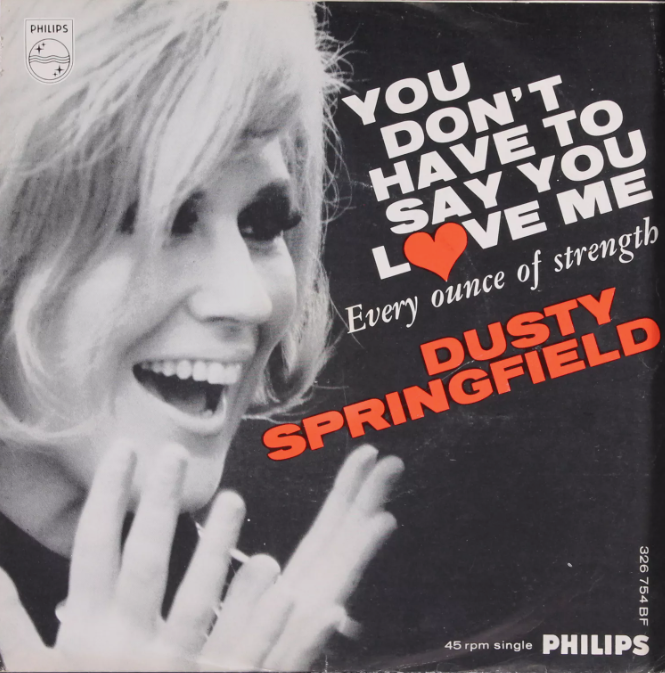
14 YOU DON'T HAVE TO SAY YOU LOVE ME |
“You Don’t Have to Say You Love Me” is the English-language version of the 1965 Italian song “Io che non vivo (senza te)”, written by Pino Donaggio and Vito Pallavicini.
“You Don’t Have to Say You Love Me” was recorded by Dusty Springfield in 1966 and proved to be her most successful single, reaching number one on the UK Singles Chart and number four on the Billboard Hot 100.
Springfield, who participated at the 1965 Sanremo Festival, was in the audience when Donaggio and Miller performed “Io che non vivo (senza te)” and, although she did not know the meaning of the lyrics, the song moved her to tears.
The following year, Springfield had an instrumental track laid down and commissioned the producer of Ready, Steady, Go! – Vicki Wickham – and her friend Simon Napier-Bell, to write some lyrics. None could speak Italian, so the lyrics bear no resemblance to “Io che non vivo (senza te)”. Springfield took 47 takes, including one in a stairwell, until she was finally happy with the result.
An alternative version was recorded by Elvis Presley in 1970. Reaching No. 11 on the Hot 100 in Billboard magazine, “You Don’t Have to Say You Love Me” afforded Presley a No.1 hit on the Billboard Easy Listening chart, also reaching No.56 on the Billboard C&W chart.
It became a gold record. A hit for Presley in both Australia (No.7) and Canada (No.6), “You Don’t Have to Say You Love Me” was twice a hit for Presley in the UK with its original release reaching No.9 in the UK. The single went on to become the best-selling record of 1971 in Japan, with Oricon reporting sales of 225,000 copies. |
||
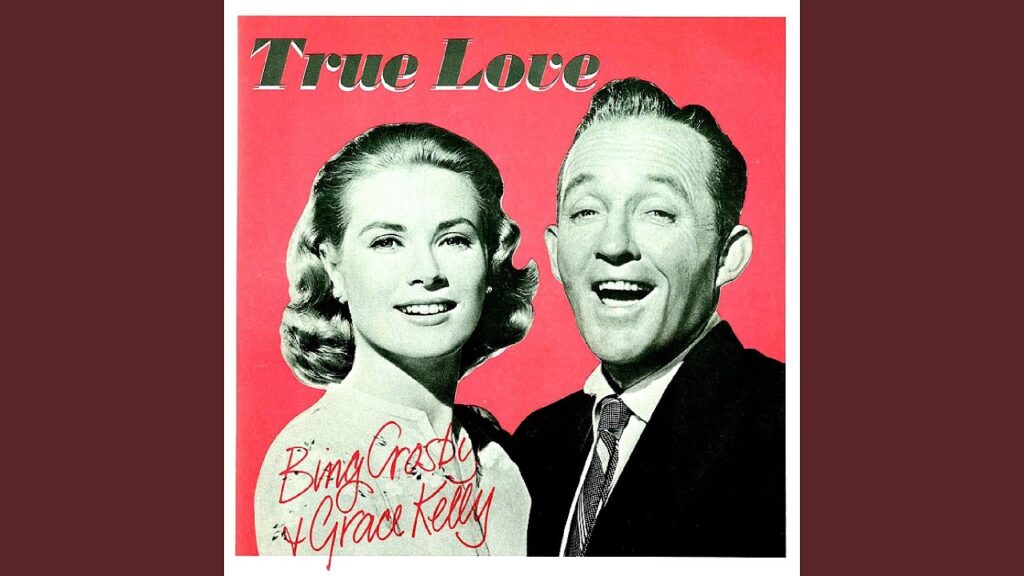
15 TRUE LOVE |
“True Love” is a popular song written by American songwriter Cole Porter, published in 1956. The song was introduced by Bing Crosby and Grace Kelly in the musical film High Society.
“True Love” was nominated for the Academy Award for Best Original Song.
Richard Chamberlain released a cover of the song as a single in 1963; it peaked at number 30 in the United Kingdom and number 98 in the US. A version by Shakin’ Stevens from his 1988 album A Whole Lotta Shaky reached number 23 in the UK, and in 1993, British musicians Elton John and Kiki Dee recorded the song, reaching number two on the UK singles chart and Irish Singles Chart, number four in Belgium, number seven in Iceland, number 12 in Canada, and number 56 in the United States.
Not surprisingly, there have been many other recordings, Including those by: Jane Powell, Elvis Presley, Ricky Nelson, Dean Martin, Patsy Cline, Shelley Fabares, Al Hirt, the Everly Brothers, Nancy Sinatra, Jack Jones, Connie Francis, Donny and Marie Osmond, George Harrison, Oasis, Anne Murray, Neil Diamond, Deana Martin, Benny Anderssons orkeste, and, Harry Connick Jr. |
MP3:
|
|
16 DURHAM TOWN |
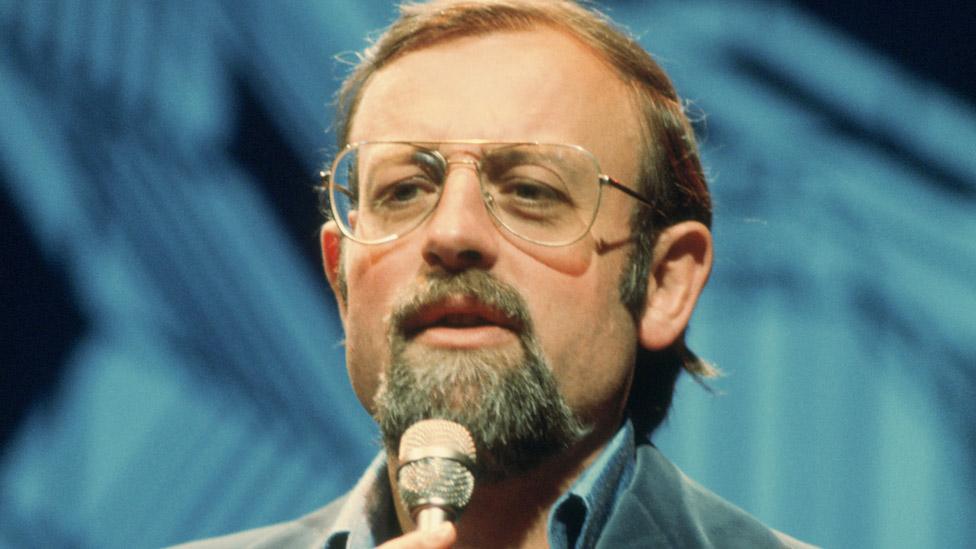
“Durham Town (The Leavin’)” is a song, written and sung by Roger Whittaker, released as a single in 1969.
It spent 18 weeks on the UK Singles Chart, peaking at No. 12 in 1976, and No. 8 on Canada’s RPM “Pop Music Playlist”, while reaching No. 23 on Billboard’s Easy Listening chart.The song was also recorded in French translation under the title “Mon pays bleu”.
Whittaker’s original intent, to set the song in Newcastle, was abandoned in favour of nearby Durham because Whittaker agreed with his producer that “Durham” sounded better. While focusing the song on Newcastle, Whittaker had set its second verse “on the banks of the river Tyne”, and as Whittaker had little to no familiarity with his chosen locale for the song, he retained the verse with its Tyneside setting for the song’s finalised version set in Durham. While the Tyne flows eastwards through Newcastle, it is the Wear, 20 miles (32 km) to the south, which flows through Durham.
The song has also been recorded by Val Doonican as “Leaving (Durham Town)” on the 1971 album Just A Sittin’ And A Rockin’ , and by Finnish singer Robin as “Jäähyväiset” (1970).
In 2016, the French version (“Mon pays bleu”) was recorded and released as a single by the Canadian singer Natasha St-Pier. The cover appeared as the title track of a tribute album to Whittaker produced by the Quebec singer Mario Pelchat, and was also released as a single. |
MP3:
|
|
17 TEA FOR TWO |
“Tea for Two” is a 1924 song composed by Vincent Youmans, with lyrics by Irving Caesar. It was introduced in May 1924 by Phyllis Cleveland and John Barker during the Chicago pre-Broadway run of the musical No, No, Nanette. When the show finally hit Broadway on September 16, 1925, Nanette was played by Louise Groody, and her duet with Barker of “Tea for Two” was a hit. The song went on to become the biggest success of Youmans’s career.
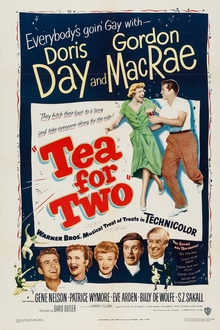
Tea for Two is a 1950 American musical romantic comedy film starring Doris Day and Gordon MacRae and was based on No, No, Nanette, although the plot was changed considerably and the score by Harbach, Irving Caesar, and Vincent Youmans was augmented with songs by other composers.
Uncle Max (S. Z. Sakall) expresses displeasure to his grandniece and grandnephew, who are making fun of their parents’ outdated fashions, and begins telling the story of Nanette Carter (Doris Day), a Westchester County, New York socialite with show business aspirations. In a flashback to the Roaring Twenties, she offers to invest $25,000 in a Broadway show if her boyfriend, producer Larry Blair (Billy De Wolfe), casts her in the starring role. What she doesn’t realize is that Larry is two-timing her with ingenue Beatrice Darcy (Patrice Wymore), whom he envisions as the lead. When he accepts Nanette’s offer, she imposes upon her wealthy, penny-pinching uncle, J. Maxwell Bloomhaus (Sakall) to lend her the money.
Uncle Max is willing to do so, on one condition. For the next 24 hours, Nanette must answer “no” to every question she’s asked. Comic complications ensue when the cast arrives at Nanette’s estate to rehearse, as composer and pianist Jimmy Smith (Gordon MacRae), who has romantic designs on Nanette, falls victim to the bet she’s made with her uncle. Nanette wins, only to discover that Uncle Max lost all his money in the stock market crash. The only person still solvent is attorney William Early (Bill Goodwin). So, Nanette’s assistant Pauline Hastings (Eve Arden) sets out to charm him into backing the show – and succeeds. The show ‘No, No, Nanette’ opens and is a rousing success. |
||
18 GROOVY KIND OF LOVE |
“A Groovy Kind of Love” is a song written by Toni Wine and Carole Bayer Sager based on a melody by the classical composer Muzio Clementi.
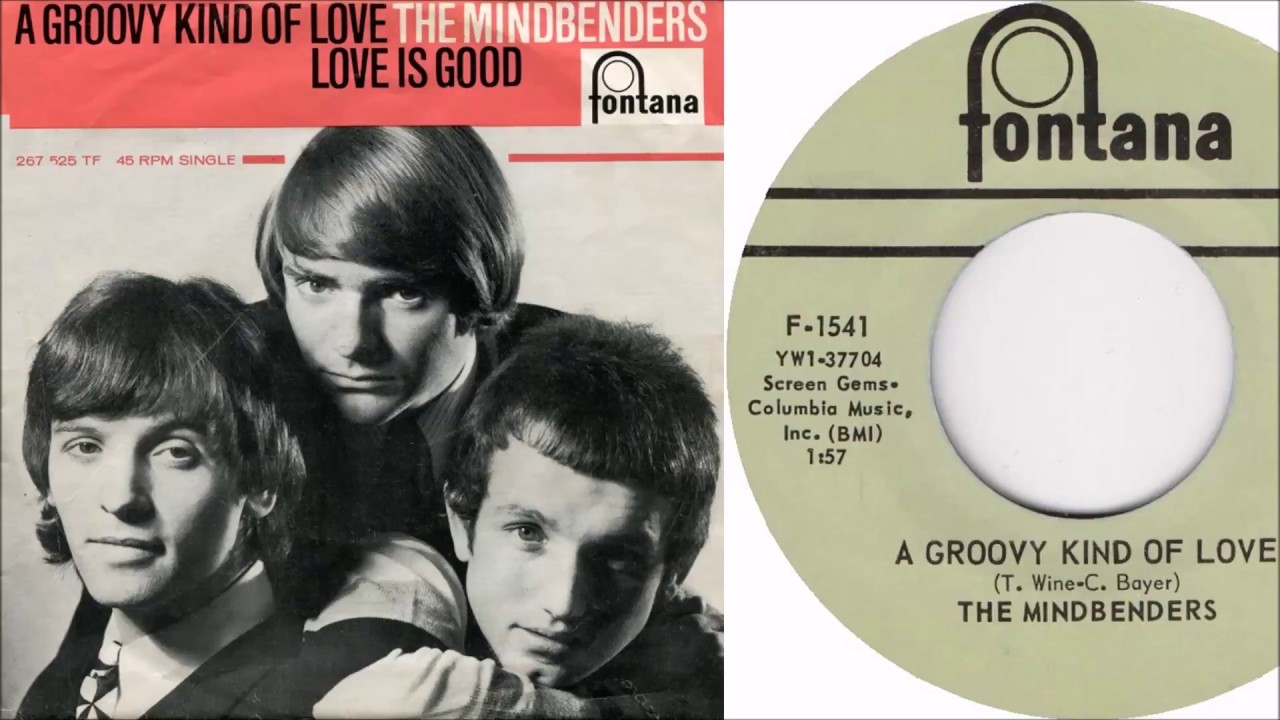
The original rendition was recorded by American singing duo Diane & Annita and released as “Groovey Kind of Love” on the French EP One by One, in 1965. It has since been recorded by numerous artists, with the Mindbenders and Phil Collins releasing successful versions.
“A Groovy Kind of Love” consists of lyrics written by Bayer Sager and Wine, with music by Muzio Clementi. Composition of the song took place at Bayer Sager’s home in New York City, a few blocks away from the Brill Building and 1650 Broadway. Those buildings housed numerous music publishing companies and record labels, including Wine and Bayer Sager’s label, Allegro Music (later Screen Gems); the buildings also contained facilities for songwriting and composition. However, Bayer Sager’s residence was preferred because it was more comfortable, and more private. Wine composed the music, and Bayer Sager wrote the lyrics.
The melody is from the Rondo from Muzio Clementi’s Sonatina, Opus 36, No. 5. Even though Wine and Sager claim full songwriting credits, they mainly wrote the lyrics and just slightly modified Clementi’s music.[4] Bayer Sager originally pitched the song to pop star Lesley Gore in early 1965, but Gore’s producer at the time, Shelby Singleton, rejected it, as he found the word “groovy” too slangy.
The Mindbenders version was released on December 10, 1965 after the departure of Wayne Fontana as lead vocalist in the autumn of 1965. Eric Stewart (later of 10CC) took the lead vocal part. It entered the Record Retailer chart on January 19, 1966, at number 34 before peaking at number two on March 16, finally dropping out of the charts 14 weeks later. It entered the Billboard Hot 100 on April 10 at a position of 78, before reaching its peak of number two on May 28, 1966, a position it would hold for two weeks.
English drummer, singer-songwriter, record producer, and actor Phil Collins recorded a new version of “A Groovy Kind of Love” in 1988. While filming the movie Buster (1988), Collins suggested the song as a potential love theme for the title character and his wife.
|
MP3:
|
|
19 FERRY ACROSS THE MERSEY |
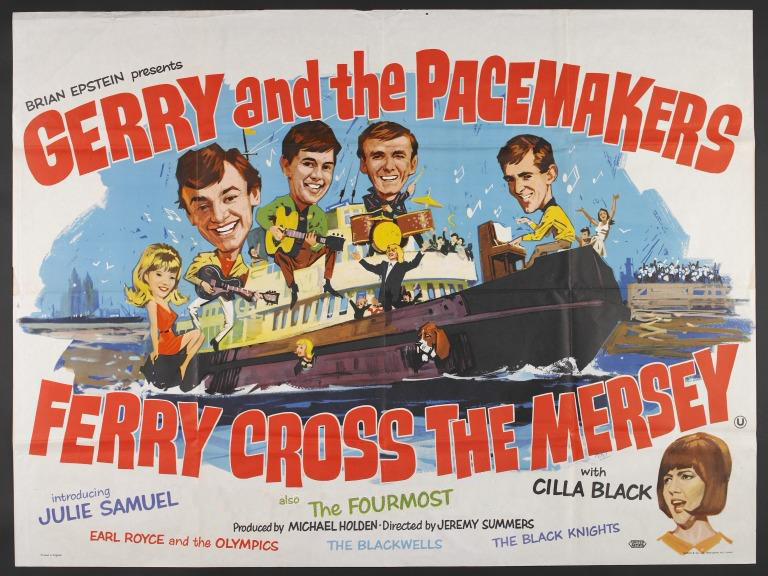
“Ferry Cross the Mersey” is a song written by Gerry Marsden. It was first recorded by his band Gerry and the Pacemakers and released in late 1964 in the UK and in 1965 in the United States.
It was a hit on both sides of the Atlantic, reaching number six in the United States and number eight in the UK. The song is from the film of the same name and was released on its soundtrack album. In the mid-1990s, a musical theatre production, also titled Ferry Cross the Mersey, related Gerry Marsden’s Merseybeat days; it premiered in Liverpool and played in the UK, Australia, and Canada.
In May 1989, a charity version of “Ferry Cross the Mersey” was released in aid of those affected by the Hillsborough disaster, which had, at the time, claimed the lives of 95 Liverpool fans the previous month. The song was recorded by Liverpool artists the Christians, Holly Johnson, Paul McCartney and Gerry Marsden, with producers Stock Aitken Waterman also credited. The single held the number-one spot in the UK chart for three weeks and the Irish chart for two weeks.
Frankie Goes to Hollywood recorded a cover of “Ferry Cross the Mersey” for the B-side of the 12-inch single “Relax”, released in October 1983.[27] It was subsequently included on their later compilations Bang!… The Greatest Hits of Frankie Goes to Hollywood (1993)[28] and Maximum Joy (2000), as well as certain copies of their debut album Welcome to the Pleasuredome.
Canadian popular musician Burton Cummings (of The Guess Who) recorded a solo version on his 1997 live album Up Close and Alone.
In 2003, Pat Metheny included an instrumental cover of the song on his acoustic album One Quiet Night.
The German-British punk rock band Die Toten Hosen released a cover version in 2020 on their album “Learning English Lesson 3 – Mersey Beat!”. The album peaked at position 2 in the German album chart.
Australian band The Jazz Kings included a cover version on their 2024 album Blue Jazz. It was arranged and sung by their pianist Jose McLaughlin, who was a former member of Gerry and the Pacemakers. The track went to No.1 on the Australian Independent Charts.
|
Sheet Music:
Download 19-Ferry-Cross-The-Mersey-Soprano.pdf
Download 19-Ferry-Cross-The-Mersey-Alto.pdf
Download 19-Ferry-Cross-The-Mersey-Tenor-pdf.pdf
Download 19-Ferry-Cross-The-Mersey-Bass.pdf
Download 19-Ferry-Cross-The-Mersey-No-highlights.pdf
Download 19-Ferry-Cross-The-Mersey-V2-inc-Never-Walk-Alone-Soprano.pdf
Download 19-Ferry-Cross-The-Mersey-V2-inc-Never-Walk-Alone-Alto.pdf
Download 19-Ferry-Cross-The-Mersey-V2-inc-Never-Walk-Alone-Tenor-pdf.pdf
Download 19-Ferry-Cross-The-Mersey-V2-inc-Never-Walk-Alone-Bass.pdf
Download 19-Ferry-Cross-The-Mersey-V2-inc-Never-Walk-Alone-No-highlights.pdf
|
|
20 IF YOU COULD READ MY MIND LOVE |
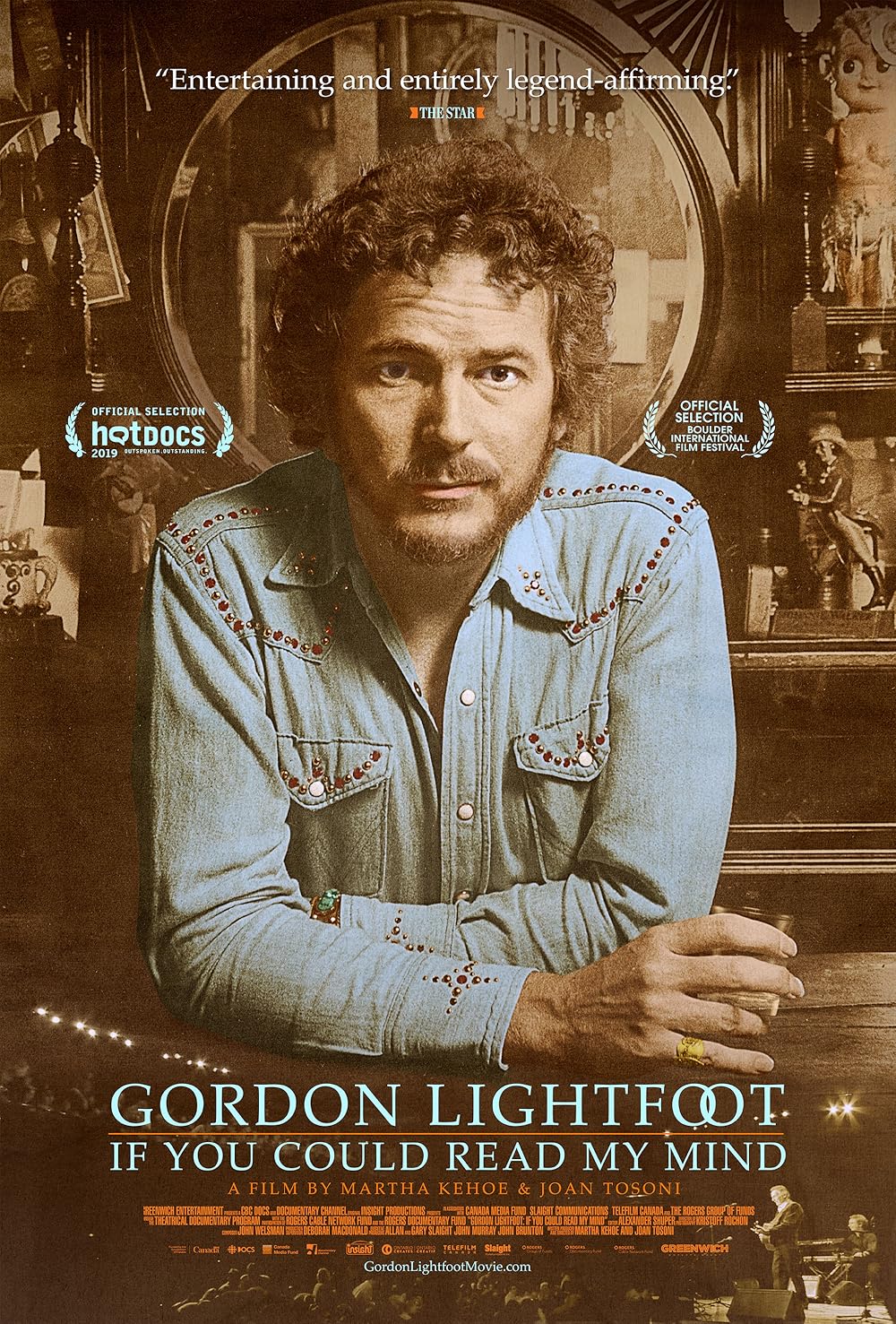
“If You Could Read My Mind” is a song by Canadian singer-songwriter Gordon Lightfoot who wrote the lyrics while he was reflecting on his own divorce.
Lightfoot wrote the lyrics while he was reflecting on his own divorce.
It reached No. 1 on the Canadian Singles Chart on commercial release in 1970 and charted in several other countries on international release in 1971.
The song first appeared on Lightfoot’s 1970 album Sit Down Young Stranger, later renamed If You Could Read My Mind following the song’s success.
Lightfoot cited his divorce for inspiring the lyrics, which came to him as he was sitting in a vacant Toronto house one summer. The song compares events in his relationship to a ghost movie and a paperback romance novel.
The lyrics include the words: “I don’t know where we went wrong. But the feeling’s gone and I just can’t get it back.”
On release, the song reached No. 1 on the Canadian Singles Chart and was his first recording to appear in the U.S., reaching No. 5 on the Billboard Hot 100 singles chart in February 1971. Later in the year, it reached No. 27 on the Australian singles chart and No. 30 on the United Kingdom’s singles chart. The song also reached No. 1 for one week on the Billboard Easy Listening chart, and was the first of four Lightfoot releases to reach No. 1.
In 1987, Lightfoot filed a lawsuit against Michael Masser, the composer of George Benson’s single “The Greatest Love of All”, covered by Whitney Houston in 1985, alleging plagiarism of 24 bars of “If You Could Read My Mind”; the transitional section that begins “I decided long ago never to walk in anyone’s shadow” of the Masser song has the same melody as “I never thought I could act this way and I got to say that I just don’t get it; I don’t know where we went wrong but the feeling’s gone and I just can’t get it back” of Lightfoot’s song. Lightfoot stated that he dropped the lawsuit when he felt it was having a negative effect on the singer Houston because the lawsuit was about the writer and not her. He also said that he did not want people to think that he had stolen his melody from Masser. The case was settled out of court, and Masser issued a public apology.
American singer Barbra Streisand covered the song on her 1971 album, Stoney End. A 1980 cover by Viola Wills peaked at No. 2 for five weeks on the dance/disco charts with a dance version of the song and at No. 80 in Australia. Duane Steele reached No. 32 on the Canadian country charts with his version in 1998. Johnny Cash also recorded a version of the song that was released posthumously on his 2006 album American V: A Hundred Highways, which topped the Billboard 200.
Olivia Newton-John included her cover of the song in both her “If Not for You” and “Let It Be Me” albums. |
||
21 HUSHABYE MOUNTAIN |
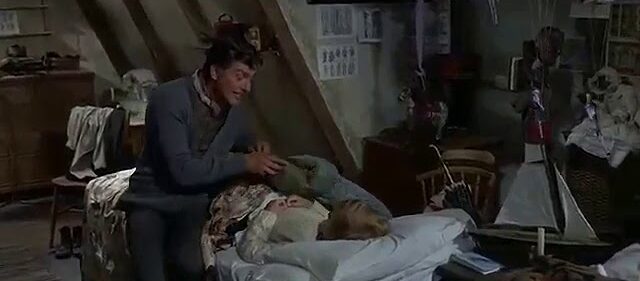
“Hushabye Mountain” is a ballad by the songwriting team Robert and Richard Sherman. It appears twice in the 1968 Albert R. Broccoli motion picture Chitty Chitty Bang Bang: first as an idyllic lullaby by Caractacus Potts (Dick Van Dyke) to his children; and later when the children of Vulgaria have lost all hope of salvation. The song is also featured prominently in the 2002 and 2005 stage musical versions.
The song was first released in a version by Tony Bennett in June 1968, before the film and its soundtrack were released. “Hushabye Mountain” has since been covered by many artists. Bobbie Gentry, Julie London, Monty Sunshine and Wendy Craig also recorded the song in 1968.
Alvin and the Chipmunks covered the song for their 1969 album The Chipmunks Go to the Movies.
Singer Stacey Kent recorded a version of this song for her 2001 album Dreamsville, British cellist Julian Lloyd Webber recorded the song on Unexpected Songs , Hayley Westenra recorded a version for her album Hushabye (2013), Pink Martini and the von Trapps recorded a version for their 2014 collaboration album Dream a Little Dream, British comedian Alexander Armstrong performed it for his album debut A Year of Songs (2015), British comedian Jason Manford included the song on his album A Different Stage (2017), English actress Eleanor Tomlinson recorded a version for her 2018 album Tales From Home, and English actress and television personality Amanda Holden recorded her version for her 2020 debut album Songs from My Heart.
Pink Floyd guitarist David Gilmour performed the song at his 2001-2 semi-acoustic solo performances, as captured on the David Gilmour in Concert DVD.
In October 2017, Belly released a cover of the song, as part of a PledgeMusic campaign for their new album. It was also included on their 2018 EP Feel, released as a Record Store Day exclusive.
A cover by Maggie Szabo was used in a 2016 episode of Criminal Minds. |
||
22 CHITTY CHITTY BANG BANG |
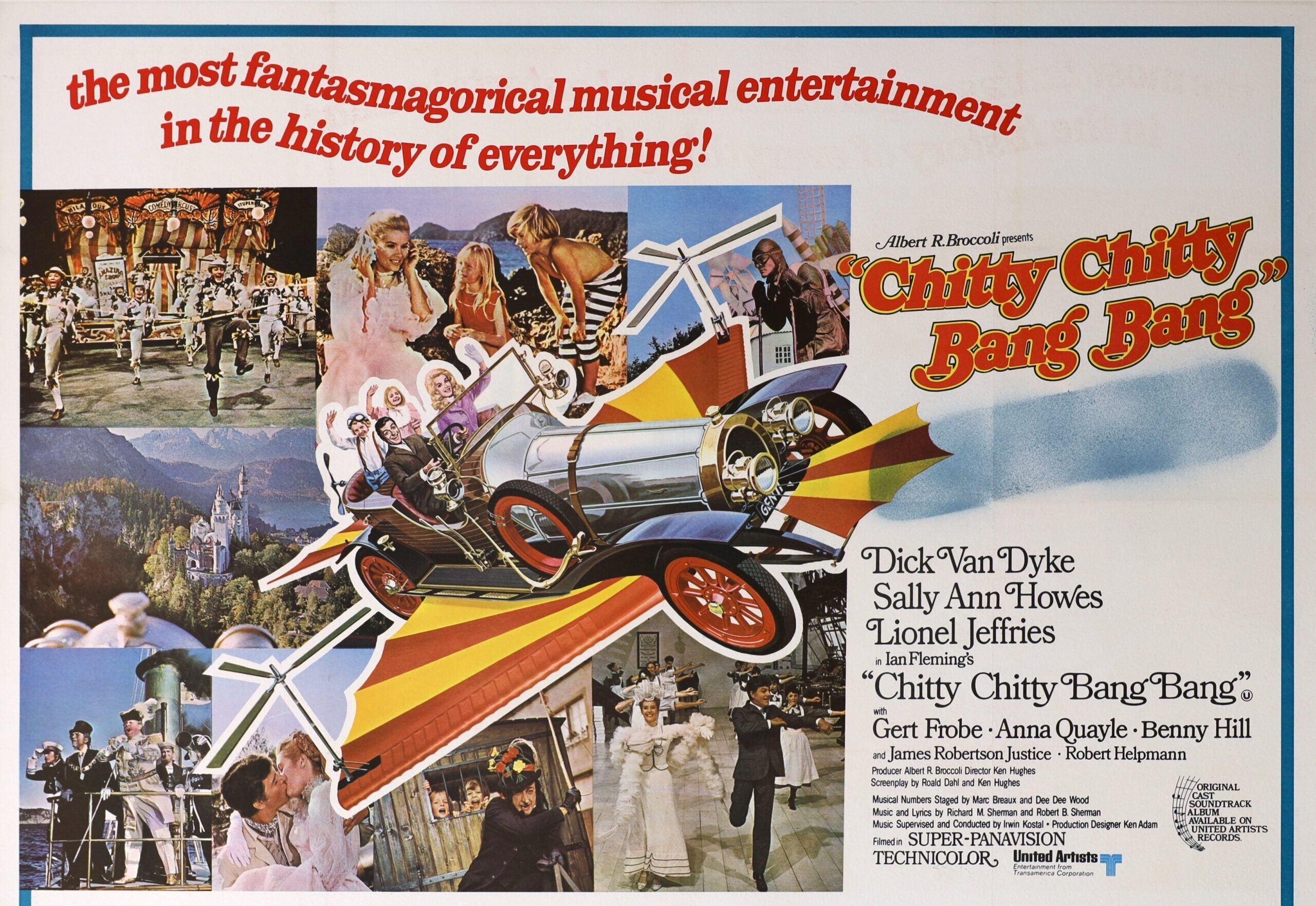
“Chitty Chitty Bang Bang” is an Academy Award-nominated song from Chitty Chitty Bang Bang, the 1968 musical motion picture, and was written by the Sherman Brothers, Robert B. Sherman and Richard M. Sherman.
In the film it is sung by Dick Van Dyke and Sally Ann Howes. “Chitty Chitty Bang Bang” is also featured prominently in Chitty the Musical, which premiered in London at the Palladium in 2002 and on Broadway in 2005 at the newly refurbished Lyric Theatre (then the Hilton Theatre).
This song was covered by Ferrente and Teicher, New Christy Minstrels, and the Chipmunks with David Seville, who sang an extra bridge section, not used in the motion picture version.
A reworded version of the song was used in a public information film for the DVLA about failure to pay road tax, in which Chitty Chitty Bang Bang was clamped because Caractacus Potts had failed to pay the road tax.
Steampunk band Abney Park sometimes covers “Chitty Chitty Bang Bang” at live shows. |
||
23 EVERYDAY |
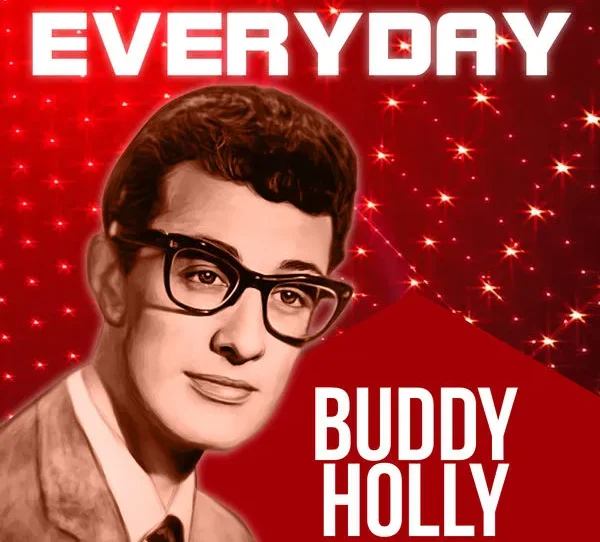
“Everyday” is a song written by Buddy Holly and Norman Petty, recorded by Buddy Holly and the Crickets on May 29, 1957, and released on September 20, 1957, as the B-side of “Peggy Sue”.
The A side “Peggy Sue” went to number three on the Billboard Hot 100 chart in 1957. “Everyday” is ranked number 238 on Rolling Stone magazine’s list of the “500 Greatest Songs of All Time”.
The song was recorded at Norman Petty Recording Studios in Clovis, New Mexico. On the original single, the Crickets are not credited, but it is known that Holly plays acoustic guitar, drummer Jerry Allison slaps his knees for percussion, and Joe B. Mauldin plays a standup acoustic bass. Vi Petty, Norman Petty’s wife—played the celesta on the recording.
Tina Robin recorded a version of the song, also for Coral Records, in 1958. In 1960, Bobby Vee released a version as the B-side of his hit song “Rubber Ball”, and Edna Savage recorded a version as well.
John Denver recorded the song for his 1971 album Aerie. Bridget St. John recorded this song for her 1972 album Thank You For…. Don McLean recorded this song for his 1973 album Playin’ Favorites and released it as a single, which peaked at number 38 in the UK.
A version recorded by James Taylor was released in 1985, rising to number 3 on the Billboard Adult Contemporary chart in the US, number 61 on the Billboard Hot 100 chart, and number 26 on the Billboard Hot Country Songs chart. It also reached number 1 on the Canadian Adult Contemporary chart. The song is included on his 1985 album “That’s Why I’m Here”.
Elliott Murphy recorded the song for a French tribute album, Every Day Is a Holly Day, in 1989. In 1990, the British guitarist Peter White recorded it for the album Reveillez-Vous.
Pearl Jam covered the song in Lubbock, Texas, Holly’s birthplace, on October 18, 2000. Erasure recorded it for their 2002 album Other People’s Songs. Rogue Wave recorded a cover version for the covers compilation soundtrack released in support of video game Stubbs the Zombie in 2005. A version was recorded by Hellogoodbye and released on their 2008 EP Ukulele Recordings. In 2011, Fiona Apple recorded a cover version for the Buddy Holly tribute album Rave On Buddy Holly and Patrick Stump covered it for the Holly tribute album Listen to Me: Buddy Holly. The song is also on the 2012 Japanese CD Levi Dexter & Gretsch Brothers, featuring Rockabilly Hall of Fame inductee Levi Dexter. The Trashmen and the indie rock band Rogue Wave also recorded it. It has also been performed live by Deep Purple. |
||
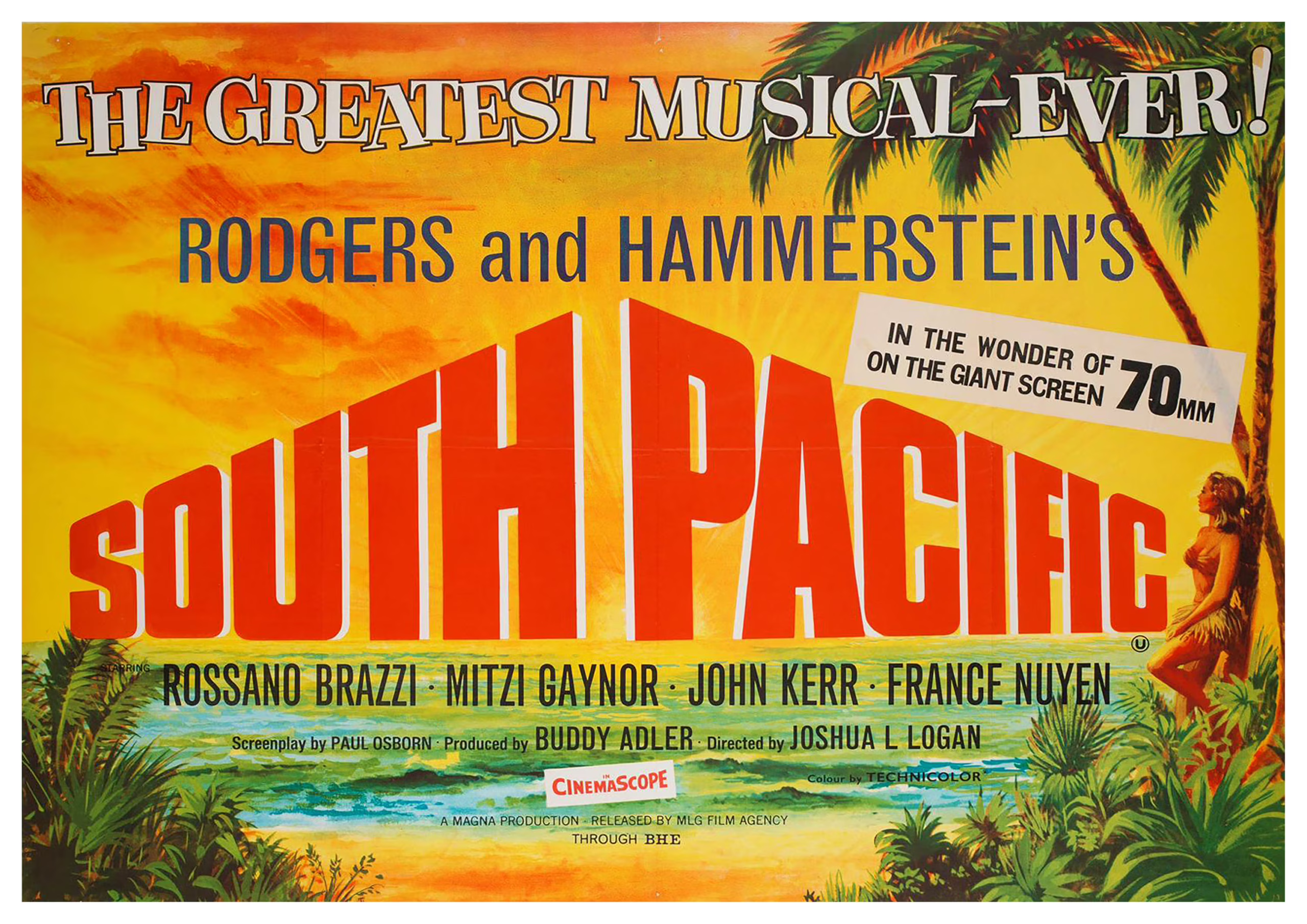
24 SOUTH PACIFIC MEDLEY |
South Pacific is a 1958 American romantic musical film based on the 1949 Rodgers and Hammerstein musical South Pacific, which in turn is loosely based on James A. Michener’s 1947 short-story collection Tales of the South Pacific.
The film, directed by Joshua Logan, stars Rossano Brazzi, Mitzi Gaynor, John Kerr and Ray Walston in the leading roles with Juanita Hall as Bloody Mary, the part that she had played in the original stage production. The film was nominated for three Academy Awards, winning the Academy Award for Best Sound for Fred Hynes. It is set in 1943, during World War II, on an island in the South Pacific.
Musical numbers include:
The soundtrack album of the film was released by RCA Victor in 1958. It was a major success, reaching No. 1 in both the US and UK. In the US, the album stayed at No. 1 on the Billboard 200 for seven months, the fourth-longest run ever.
The album remained in the top five of the UK Albums Chart for 27 consecutive weeks before reaching No. 1 in November 1958. It stayed at the top for a record-breaking 115 weeks and remained in the top five for 214 weeks.
The soundtrack album has spent more weeks at No. 1 in the UK Albums Chart than any other album, spending 115 weeks at the top in the late 1950s and early 1960s. It spent 70 consecutive weeks at the top of the chart and was No. 1 for the whole of 1959.
“Some Enchanted Evening” was ranked No. 28 on the American Film Institute’s 100 Years…100 Songs (2004). |
||
25 TORCHES |
John Pierre Herman Joubert was a British composer of South African birth, particularly of choral works. He lived in Moseley, a suburb of Birmingham, England, for over 50 years. A music academic in the universities of Hull and Birmingham for 36 years, Joubert took early retirement in 1986 to concentrate on composing and remained active into his eighties.
Though perhaps best known for his choral music, particularly the carols Torches and There is No Rose of Such Virtue and the anthem O Lorde, the Maker of Al Thing, Joubert composed over 160 works including three symphonies, four concertos and seven operas.
Torches was written in 1951 and was already an established part of the repertoire before its inclusion in the first book of Carols for Choirs in 1961. |
MP3:
|
|
26 BETHLEHEM |
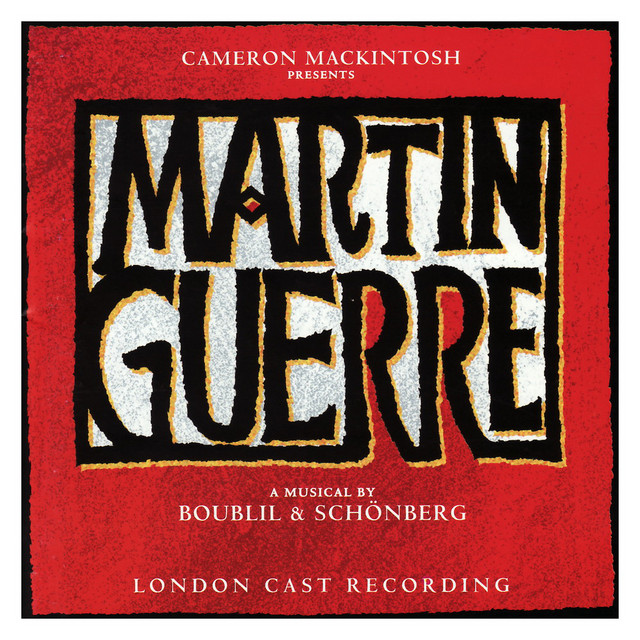
“Bethlehem” is a song from Martin Guerre – a two-act musical with a book by Claude-Michel Schönberg and Alain Boublil, lyrics by Alain Boublil, Edward Hardy and Stephen Clark, and music by Claude-Michel Schönberg.
Written in the operatic style similar to the creative team’s previous efforts, Les Misérables and Miss Saigon, the bulk of the show is sung-through, with little spoken dialogue between the musical numbers.[citation needed] It failed to match the box office success of its two predecessors.
Six years in the making, Mackintosh’s $6 million West End production, directed by Declan Donnellan and choreographed by Bob Avian, with lyrics by Edward Hardy, opened on July 10, 1996 at the Prince Edward Theatre. In the early weeks, the creative team continued to clarify the narrative, rearrange material, and remove one nonessential song.
While the cast continued to perform the show, the creative team – now augmented by additional lyricist Clark – rewrote large portions of the book, adding new scenes and songs, shortening the beginning, providing a happier ending, and shifting the focus to Bertrande. In order to make more radical changes, the show closed from October 28–31, 1996, and the production was completely revised. This revised version opened after a week of previews on November 11, 1996. The critical response was significantly improved, and the revised show went on to win the 1997 Laurence Olivier Award for Best Musical and Best Choreography.
In June 1997, further changes were made to the production to coincide with the cast change. The production closed on February 28, 1998 after 675 performances.
Loosely based on the real-life historical figure Martin Guerre and the 1982 film The Return of Martin Guerre he inspired, the story is set in early modern France in the anti-Protestant town of Artigat. |
MP3:
|
|
27 LOOK AWAY TO BETHLEHEM |
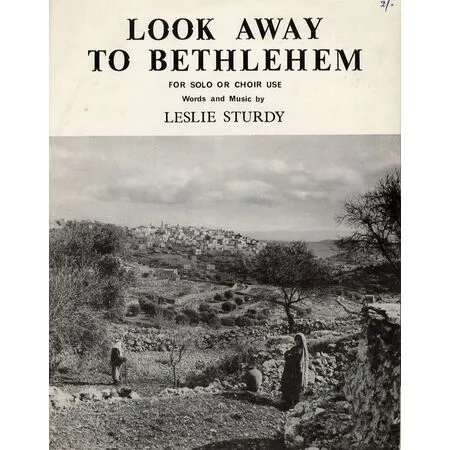
Look Away to Bethlehem is a carol written by Leslie Sturdy, the former organist and Musical Director at Queen Street Methodist Church in Scarborough
The song is reputed to have been recorded by Cliff Richard and Burl Ives.
|
||
NIGHT OF SILENCE |
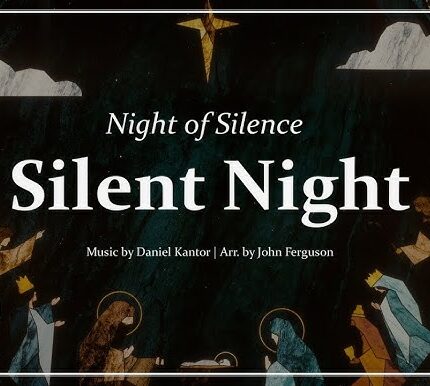
“Night of Silence” is a Christmas carol and Roman Catholic Advent hymn, written in 1981 by American composer Daniel Kantor, and then published in 1984.
The carol is a quodlibet, the term used for a partner song that can be sung simultaneously with another song. (“Night of Silence” can be sung simultaneously with the Christmas carol “Silent Night”).
It has been recorded by Marty Haugen, David Haas, Yvonne Kenny, Chris Squire, St. Olaf College, Cantus, Theocracy, and many other choirs and singers worldwide.
According to Kantor, he was inspired to write the song by the quiet, mystical winters of his home in northern Wisconsin. The lyrics draw on the imagery of wind, snow, and moonlight, with the goal of adding to the beauty of the traditional carol. The brief piano introduction to Night of Silence is intended to reflect the shimmer of moonlight on snow.
“Silent Night” (German: “Stille Nacht, heilige Nacht”) is a popular Christmas carol, composed in 1818 by Franz Xaver Gruber to lyrics by Joseph Mohr in Oberndorf bei Salzburg, Austria. It was declared an intangible cultural heritage by UNESCO in 2011. The song was first recorded in 1905 and has remained a popular success, appearing in films and multiple successful recordings, as well as being quoted in other musical compositions. It is one of the most recorded Christmas songs, with more than 137,000 known recordings.
“Stille Nacht” was first performed on Christmas Eve, 1818, at the Nikolauskirche, the parish church of Oberndorf, a village in the Austrian Empire on the Salzach river in present-day Austria. A young Catholic priest, Father Joseph Mohr, had come to Oberndorf the year before. In the aftermath of the Napoleonic Wars, he had written the poem “Stille Nacht” in 1816 at Mariapfarr, the hometown of his father in the Salzburg Lungau region, where Joseph had worked as an assistant priest.
The melody was composed by Franz Xaver Gruber, schoolmaster and organist in the nearby village of Arnsdorf , now part of Lamprechtshausen. On Christmas Eve, 1818, Mohr brought the words to Gruber and asked him to compose a melody and guitar accompaniment for that night’s mass, after river flooding had possibly damaged the church organ. The church was eventually destroyed by repeated flooding and replaced with the Silent-Night-Chapel. It is unknown what inspired Mohr to write the lyrics, or what prompted him to create a new carol. |
MP3:
|
|
HEART AND SOUL |
“Heart and Soul” is a popular song composed by Hoagy Carmichael with lyrics by Frank Loesser.
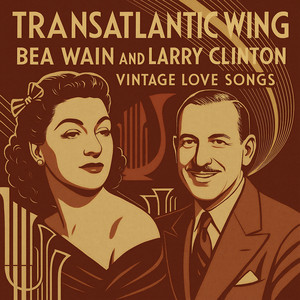
Larry Clinton and his Orchestra were the first to record and release the song in 1938 with Bea Wain on vocals.
Their recording was the highest charting and most successful recording of the jazz and pop standard.
That same year Al Bowlly recorded the song with Geraldo and his orchestra.
In 1939, three versions reached the music charts: Larry Clinton (No. 1), Eddy Duchin (No. 12), and Al Donahue (No. 16). A version by The Four Aces with the Jack Pleis Orchestra reached No. 11 in 1952, and a version by Johnny Maddox reached No. 57 in 1956.
The Cleftones succeeded with a rhythm and blues rearrangement of the song in 1961. After the release on April 17, 1961, “Heart and Soul” reached number 18 on the Billboard Hot 100 in July of that year, making this song The Cleftones’ most popular work.
Jan and Dean covered the song at the same time as the Cleftones’s record was on the chart. They intended for it to be released on Liberty Records, which balked, and it was released on Gene Autry’s Challenge Records instead. It reached No. 25 on the charts. On Canada’s CHUM Charts the song reached No. 13. Liberty, noting the success, signed them, and Jan and Dean went on to make five top-ten singles for the label (“Surf City”, “Honolulu Lulu”, “Drag City”, “Deadman’s Curve”, and “The Little Old Lady (from Pasadena)”. |
||
JOY TO THE WORLD |
“Joy to the World” is an English hymn and Christmas carol. Written in 1719 by the English minister and hymnist Isaac Watts, the hymn is usually sung to an 1848 arrangement by the American composer Lowell Mason of a tune attributed to George Frideric Handel. The hymn’s lyrics are a Christian interpretation of Psalm 98 and Genesis 3.
The song was first published in 1719 in Watts’s collection The Psalms of David: Imitated in the Language of the New Testament, and applied to the Christian State and Worship.
Watts did not write this hymn as a Christmas carol, as the lyrics do not reflect the Virgin birth of Jesus, but rather Christ’s Second Coming.
The tune usually used today is from an 1848 edition by Lowell Mason for The National Psalmist (Boston, 1848). Mason’s 1848 publication of the current tune was the fourth version to have been published. The first, published in his 1836 book Occasional Psalm and Hymn Tunes, featured the present day tune (in a different arrangement) with the present-day lyrics, the first such publication to do so. The name of this tune was given as “Antioch”, and was attributed as being “From Handel”.
The first four notes of “Joy to the World” are the same as the first four in the chorus “Lift up your heads” from Handel’s Messiah, and, in the third line, the same as found in another Messiah piece: the arioso, “Comfort ye”. |
MP3:
|
|
XMAS SONG SHEET |
A range of Christmas Songs |
Sheet Music:
Download Xmas-Songs.pdf
|
MP3:
|
CHRISTMAS ALPHABET |
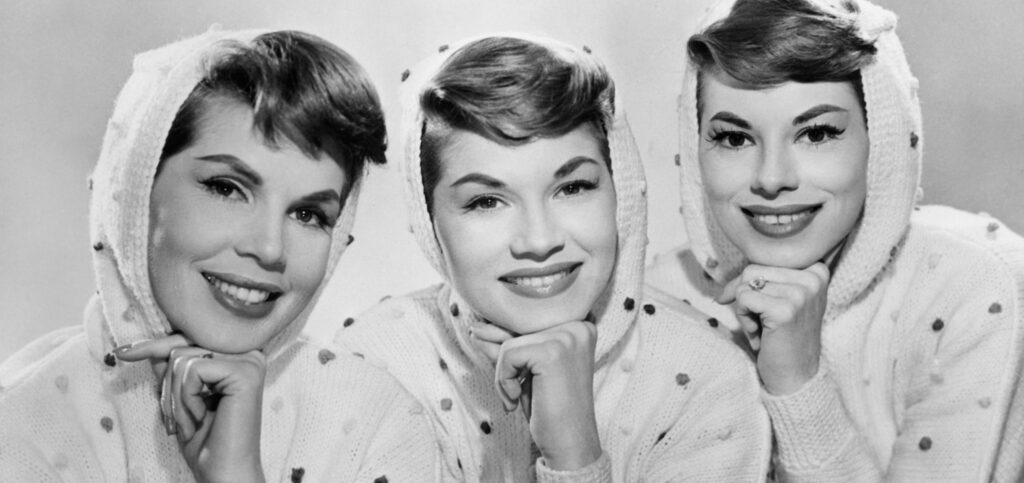
“Christmas Alphabet” was written by Buddy Kaye and Jules Loman, first released in 1954 by The McGuire Sisters.
The melody is taken from Skidamarink, the final song of the Broadway production The Echo.
In 1955, a cover version recorded by Dickie Valentine and produced by Dick Rowe became a Christmas number one hit in the UK Singles Chart.
It first entered the UK chart on 25 November 1955, where it spent seven weeks, three of which were at No. 1. |
Sheet Music:
Download Christmas-Alphabet.pdf
|
MP3:
|